


Steel beams are a cornerstone of most modern construction projects, but there are many steps involved before you can actually put them in the ground. From design to outsourcing to manufacture and fabrication, there can be a lot to account for. But let’s start with the most important question: what is structural steel fabrication?
Structural steel fabrication is the process of cutting, shaping, and welding steel parts into structures and components that can be used in construction projects.
Keep reading to understand every stage of structural steel fabrication and procurement, as well as how structural steel differs from mild steel.
What is Steel Fabrication?
Structural steel fabrication is the process of creating and assembling steel beams into structures. This involves cutting, bending, and modelling the steel into predefined shapes and moulds, depending on what is required by the project.
You may require custom structural steel beam fabrication services for large- or small-scale construction projects. STEELO is London’s leading structural steel fabricator and supplier; get in touch to find out how we can aid your projects today.
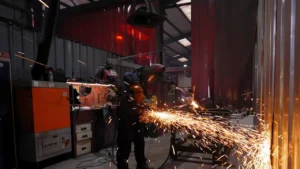
What Qualifies as Structural Steel?
Structural steel is specifically designed for use in construction, particularly within structural steel beams. Structural steel has higher-than-average carbon content, which makes it more resistant to heat.
Differences Between Structural Steel and Normal Steel
Structural steel and mild (‘normal’) steel are different in a number of ways, primarily regarding chemical composition.
Structural steel typically only contains carbon and iron, though other alloying materials can be added to give it more properties. Mild steel, alternatively, features a wider mix and lower concentration of alloy materials, giving it a lower carbon content and higher degree of flexibility.
Common applications of structural steel include:
- Beams, flat bars, and rods for construction
- Prefabricated structures for construction
- Connections for construction
Common applications of mild steel include:
- High-strength machine parts or axles
- Steel frame buildings
- Manual or mechanical steel welding
- Weatherproof structures
- Threaded bars and gears
Fabrication Process From Design to Installation
[image of STEELO working on construction plans/designs]
The process of structural steel fabrication involves transforming raw steel into complete structural components such as steel beams, prefabricated structures, and connection points.
The stages of a structural steel beam’s life include:
- Design, and fabrication procurement
- Materials procurement
- Cutting, shaping, and welding
- Quality control checks
- Cleaning, painting, and coating
- Installation on-site
Design, and Fabrication Procurement
In the pre-fabrication design stages, specialist 3D CAD (computer-aided design) software is used to accurately model the structure. This involves exact planning of specifications such as load-bearing requirements, dimensions, connection details, materials, timescale, and more.
The design stage is so thorough because it is the last time the construction project exists as a theoretical that can easily be adapted.
Once the project’s design has been approved, the procurement of materials is next. Materials might include steel plates, beams, and connection points based on the structural design.
It is at this stage that you will likely get an external structural steel fabrication company involved to order in steel cut to your exact requirements.
Consultation and Quotation Phase
When working with a steel fabricator and supplier, you will discuss your project’s specifications and how your supplier can help you make them a reality. This might involve:
- Site survey analysing access routes, ground conditions, existing structures, and overall project feasibility
- Project assessment checking thoroughness of project requirements and risk management
- Timeline and cost quotation where the fabricator will outline the realistic commitments involved to help make an informed decision
Materials Procurement
This stage involves selecting appropriate steel grades and other components necessary for the project. Largely, the selection of steel grades will occur during the design and quotation phase in alignment with your steel fabricators.
Cutting, Shaping, and Welding
The creation of the structural steel then passes over to your steel fabrication company of choice, who use cutting techniques to ensure complete accuracy in the preparation of your steel beams.
Shaping of structural steel takes place in hot conditions to allow a smooth formation, with professional fabricators then structural elements together to form pre-fabricated structures and connection points.
Quality Control Checks
Top-level quality control checks are essential in the fabrication of structural steel because even slight miscalculations, imperfections, and flaws can cause significant project delays and dangers.
Quality control checks typically involve regular maintenance of equipment, assessment of material quality, and specification double- and triple-checking to ensure that project measurements and fabricated steel match precisely.
Cleaning, Painting, and Coating
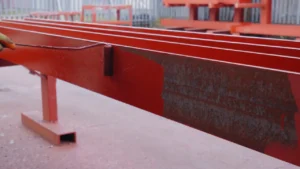
Steel needs to be cleaned after hot-rolling and cutting to ensure that no shrapnel or malformations get sealed in by paints and finishes.
Surface treatments can protect your structural steel from corrosion, weather, and heat. Hot-dip galvanising, paint, and protective finishes all achieve different aesthetic and safety properties.
Discover STEELO’s range of structural steel beam finishes online.
Installation On-Site
The installation phase comes with a lot of regulatory oversight and can often be the largest cause of delays. Some common factors of structural steel beam installation that cause delays include:
- Weather conditions
- Delayed regulatory approvals
- Site inaccessibility
- Storage capacity and schedule
During installation, you can usually hire another external company or use the same company that fabricated the steel beams and structures. STEELO offers fabrication, supply, and installation services for construction projects.
Installation may involve specialist equipment and machinery for lifting, drilling, and transport. This should be organised during the planning and sourcing stages, however.
What is Structural Steel Fabrication with STEELO?
STEELO is the leading fabricator and supplier of structural steel in London, offering an extensive range of products and services from steel beams to prefab structures to finishes.
We work alongside you to assess specifications, procure materials, and meet your project requirements all to a tight timeline. Get in touch with our friendly team to discuss your structural steel requirements for bespoke steel fabrication today.
What is Steel Fabrication FAQs
What Does a Steel Fabricator Do?
A steel fabricator takes raw materials such as steel beams, sheets, and bars and shapes them into usable parts via cutting, bending, and welding.
What is the Difference Between Steel Manufacturing and Steel Fabrication?
Steel manufacturing is for creating steel parts that can, at a later stage, be assembled and fabricated together. Steel fabrication is for creating structural steel components and steel structures out of manufactured steel parts.
What Are the Grades of Structural Steel in the UK?
Steel grade relates to the strength of the steel – buildings in the UK typically feature structural steel of grades S275 and S355. Higher grade steels are progressively stronger.
The steel grade for a project will be identified and shown within the beam references or in the notes of engineering drawings and models.
What is the meaning of structural steel fabrication?
Structural steel fabrication is the process of cutting, shaping, and assembling steel to create components used in construction, such as beams, columns, and frames that form the structural support of buildings and other structures.
 Get in touch